Source conveyor machine drip tray support for Mining, Grain, and Chemical
Find and compare 30 listings for conveyor machine drip tray support components. Evaluate options made from PA6, steel, and plastic, featuring fire-resistant and corrosion-resistant properties for power plant, mining transport, and grain transport applications.
Key considerations
Products List


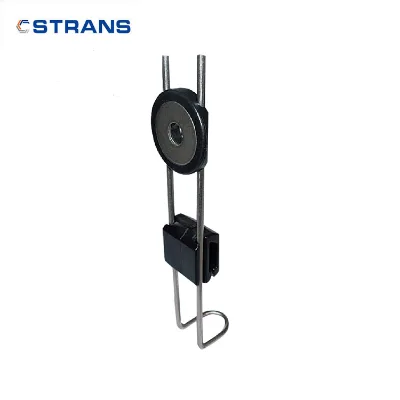


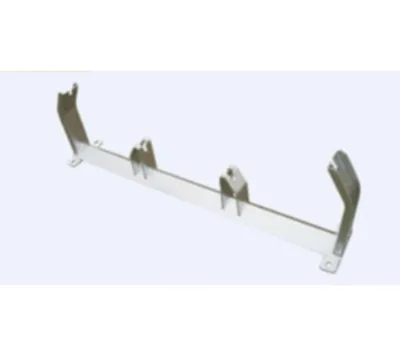


Comprehensive Sourcing Guide
Conveyor Machine Drip Tray Support Sourcing Guide
Sourcing the correct support structures for conveyor machine drip trays requires a nuanced understanding of industrial material science and mechanical load dynamics. These components are not merely passive holders; they serve as critical interfaces between the conveying system and the facility floor, managing fluid containment while withstanding vibration, thermal expansion, and dynamic loads. Buyers must recognize that "drip tray support" is often a functional description rather than a specific part number, meaning specifications vary widely based on the conveyor type, whether it is used in mining, grain transport, or chemical processing. The procurement strategy must therefore focus on verifying the exact mechanical interface, material compatibility with the conveyed media, and the environmental conditions of the installation site.
The market for these components is fragmented, ranging from standardized steel brackets to custom-engineered polymer assemblies. Observed listings indicate a diverse range of materials, including PA6 polyamide, reinforced polyamide, steel, and general plastic variants, each offering distinct advantages in terms of weight, corrosion resistance, and cost. A buyer cannot assume interchangeability between these materials without rigorous engineering validation. For instance, a support designed for a low-load grain transport application may fail catastrophically in a high-abrasion mining environment. Therefore, the initial sourcing phase must prioritize the alignment of material properties with the specific operational stresses of the target conveyor machine, ensuring that the support structure contributes to, rather than compromises, the overall system reliability.
Product Scope and Observed Listing Signals
The current market landscape for conveyor machine drip tray supports reveals a significant variation in product definitions and packaging standards. Listings frequently reference specific model numbers such as ZY-C-005, ZY-FS-003, and SS-SG-007A, alongside broader designations like TD75/DTII, which are often associated with standard conveyor frame configurations. These identifiers suggest that suppliers may offer either proprietary replacement parts or generic supports compatible with established industry frame standards. Buyers should note that some listings describe the product as a "conveyor machine connection parts chain inlet guide shoe," indicating that the support function may be integrated into larger assembly units rather than sold as standalone brackets. This integration level impacts installation complexity and inventory management, requiring buyers to clarify whether they are sourcing individual support elements or complete sub-assemblies.
Packaging and unit definitions also vary considerably across suppliers, reflecting different logistical capabilities and product scales. Observed data shows packing units ranging from 10 pieces per box to 50 pieces per box, with some suppliers offering customized packing solutions to meet specific shipping or handling requirements. Standard lengths such as 3 meters or rolls of 30/50 meters suggest that some supports may be extruded or fabricated in continuous lengths, requiring on-site cutting or specific mounting hardware. Additionally, the presence of "fire resistant" material features in some listings highlights a niche but critical segment of the market where safety compliance is paramount. Buyers must carefully distinguish between standard structural supports and those with specialized chemical or fire-retardant properties, as this distinction significantly affects both the unit price and the applicable safety regulations.
Technical Specifications to Verify
Material selection is the most critical technical variable when specifying drip tray supports, as it dictates longevity and maintenance frequency. The observed market includes options in PA6 polyamide, reinforced polyamide, steel, and general plastic, each with distinct mechanical profiles. Reinforced polyamide offers high strength-to-weight ratios and excellent chemical resistance, making it suitable for corrosive environments such as chemical industries or food and beverage factories. Steel supports, particularly those with galvanization options, provide superior load-bearing capacity and durability for heavy-duty applications like mining transport or power plants. Buyers must verify the exact grade of steel or polymer, as generic terms like "metal" or "plastic" do not guarantee performance under specific load or environmental conditions. The presence of rust and corrosion-resistant attributes in some listings is a positive indicator, but buyers should request material test reports to confirm the specific alloy or polymer formulation.
Dimensional accuracy and interface compatibility are equally vital to ensure seamless integration with existing conveyor systems. Specifications such as a length of 151mm or a single gross weight of 10.000 kg provide baseline data, but buyers must verify these against their specific conveyor frame dimensions. The mention of "50cm diameter" in some contexts may refer to roller supports or circular tray configurations, requiring careful interpretation to avoid ordering incorrect geometries. Furthermore, the condition of the product—whether brand new, new, or used—must be explicitly confirmed, as used components may have hidden fatigue or wear that compromises structural integrity. Buyers should also inquire about the "single package size" and gross weight to calculate accurate freight costs and ensure that the components can be handled safely at the destination site, especially if the support units are heavy or bulky.
Compliance and Safety Documentation
Safety and regulatory compliance are non-negotiable aspects of sourcing industrial support components, particularly in high-risk environments like mining or chemical processing. While some listings mention "ISOCE" certification, buyers must verify the exact scope and validity of this certification, as it may refer to specific quality management standards rather than product safety. In applications involving flammable materials or high temperatures, the "fire resistant" feature observed in some products becomes a critical compliance factor. Buyers should request detailed safety data sheets (SDS) and material safety information to ensure that the supports do not introduce ignition sources or degrade into hazardous byproducts under normal operating conditions. Additionally, for food and beverage applications, buyers must confirm that the materials used are food-grade and compliant with relevant health and safety regulations, such as FDA or EU standards, even if not explicitly stated in the initial listing.
Documentation regarding the manufacturing process and surface treatments is essential for verifying long-term durability and environmental compliance. The mention of "galvanization options" for steel supports indicates a surface treatment process that enhances corrosion resistance, but buyers should inquire about the specific galvanization method, such as hot-dip versus electro-galvanization, as this affects the thickness and longevity of the protective layer. Furthermore, buyers should request certificates of conformity or material test reports that verify the mechanical properties of the supports, such as tensile strength and impact resistance. These documents provide objective evidence that the product meets the specified technical requirements and can withstand the operational stresses of the intended application. Without such documentation, buyers risk procuring components that may fail prematurely, leading to costly downtime and potential safety incidents.
Cost Drivers and Commercial Terms
The cost of conveyor machine drip tray supports is influenced by a complex interplay of material costs, manufacturing complexity, and order volume. Observed price ranges in the market vary significantly, reflecting differences in material quality, dimensional accuracy, and customization levels. Buyers should anticipate higher costs for reinforced polyamide or specialized steel alloys, as these materials offer superior performance but come at a premium. Customization is a key cost driver, with some suppliers offering tailored solutions to meet specific dimensional or functional requirements. While customization can optimize performance and fit, it often leads to higher unit prices and longer lead times. Buyers must weigh the benefits of a perfect fit against the potential cost and time penalties, considering whether standard components can be adapted with minor modifications to achieve the desired result.
Minimum order quantities (MOQ) and payment terms also play a significant role in the total cost of ownership. Observed MOQs range from 10 pieces to 100 pieces, allowing for flexibility in procurement strategies. Smaller MOQs are beneficial for trial orders or maintenance replacements, while larger volumes may qualify for volume discounts. Buyers should negotiate payment terms that align with their cash flow cycles, such as partial upfront payments with the balance upon delivery or inspection. Additionally, buyers should consider the total landed cost, including freight, insurance, and customs duties, as these can significantly impact the final price. Packaging options, such as customized packing or standard cartons, can also affect shipping costs, so buyers should optimize packaging choices to minimize freight expenses without compromising product protection.
Supplier Qualification and Quality Control
Evaluating supplier qualifications is essential to ensure the reliability and consistency of the sourced components. Buyers should prioritize suppliers with a proven track record in manufacturing industrial support components, particularly those with experience in the specific industry segment, such as mining, grain transport, or chemical processing. The presence of a "1 Year Warranty" in some listings is a positive indicator of supplier confidence in their product quality, but buyers should verify the terms and conditions of the warranty, including coverage for defects, wear, and tear. Additionally, buyers should inquire about the supplier's quality control processes, such as incoming material inspections, in-process checks, and final product testing. These processes ensure that each batch of supports meets the specified technical requirements and is free from defects that could compromise performance.
Geographic location and logistical capabilities are also important factors in supplier selection. Many observed listings indicate origins in China, particularly in regions like Jiangsu, which is known for its manufacturing infrastructure. Buyers should assess the supplier's ability to meet delivery schedules and handle international logistics, including customs clearance and documentation. Suppliers with established export experience are more likely to provide accurate documentation and reliable shipping services. Furthermore, buyers should consider the supplier's responsiveness and communication skills, as these factors are critical for resolving issues that may arise during the procurement process. Establishing a clear line of communication and setting expectations for response times can help mitigate risks and ensure a smooth procurement experience.
Long-Term Procurement Checks
Establishing a robust long-term procurement strategy requires continuous monitoring of supplier performance and product quality. Buyers should implement a system for tracking key performance indicators (KPIs) such as on-time delivery rates, defect rates, and warranty claim frequencies. These metrics provide objective data on supplier reliability and product quality, enabling buyers to make informed decisions about future orders. Regular audits of the supplier's quality control processes and manufacturing facilities can also help identify potential issues before they impact production. Additionally, buyers should maintain open communication with suppliers to stay informed about any changes in material formulations, manufacturing processes, or regulatory requirements that may affect the product.
Lifecycle management of the drip tray supports is another critical aspect of long-term procurement. Buyers should develop a maintenance and replacement schedule based on the expected lifespan of the components under specific operating conditions. This schedule should account for factors such as load cycles, environmental exposure, and wear patterns. By proactively managing the lifecycle of these components, buyers can minimize unplanned downtime and reduce the total cost of ownership. Furthermore, buyers should explore opportunities for continuous improvement, such as negotiating volume discounts, optimizing packaging to reduce freight costs, or collaborating with suppliers on product design enhancements. These efforts can lead to significant cost savings and improved operational efficiency over time, ensuring that the procurement strategy remains aligned with the company's long-term goals.
FAQs
What materials are used for conveyor machine drip tray supports?
Conveyor machine drip tray supports are commonly made from reinforced polyamide, PA6, or steel. Some products feature fire-resistant properties and are designed for applications in power plants, mining transport, and chemical industries. The specific material depends on the model and intended industrial use.
Can I find customized packing options for these supports?
Yes, customized packing units are available for these products. Options include 50 pieces per box, 10 pieces per box, or packaging tailored to specific requirements. Standard packing may also be 30 meters or 50 meters per roll depending on the product type and supplier capabilities.
Which certifications do these conveyor supports typically hold?
Some conveyor machine drip tray supports carry ISOCE certification. This ensures they meet specific quality and safety standards required for industrial applications. Buyers should verify certification details with the supplier to ensure compliance with their specific industry regulations.
How is the warranty structured for these industrial parts?
A standard warranty of one year is often provided for these conveyor machine connection parts. This covers defects in materials and workmanship under normal operating conditions. Buyers should confirm the specific warranty terms with the manufacturer before placing an order.
What is the minimum order quantity for these supports?
The minimum order quantity varies by product, with some items requiring as few as 10 pieces. Other listings may have different MOQs depending on the specific model and customization needs. Buyers should check the specific product page for the exact MOQ applicable to their order.
Where are these conveyor supports manufactured?
These products originate from China, with specific manufacturing locations including Jiangsu. The origin ensures access to established industrial supply chains. Buyers can expect products to be shipped from these regions with standard lead times associated with Chinese manufacturing.
Are these supports suitable for metal cutting machines?
Yes, certain models are explicitly designed for use with metal cutting machines. They serve as holding hardware or connection parts to ensure stability during operation. The specific application depends on the model number and the structural requirements of the machinery involved.